Can we use our existing sock specification?
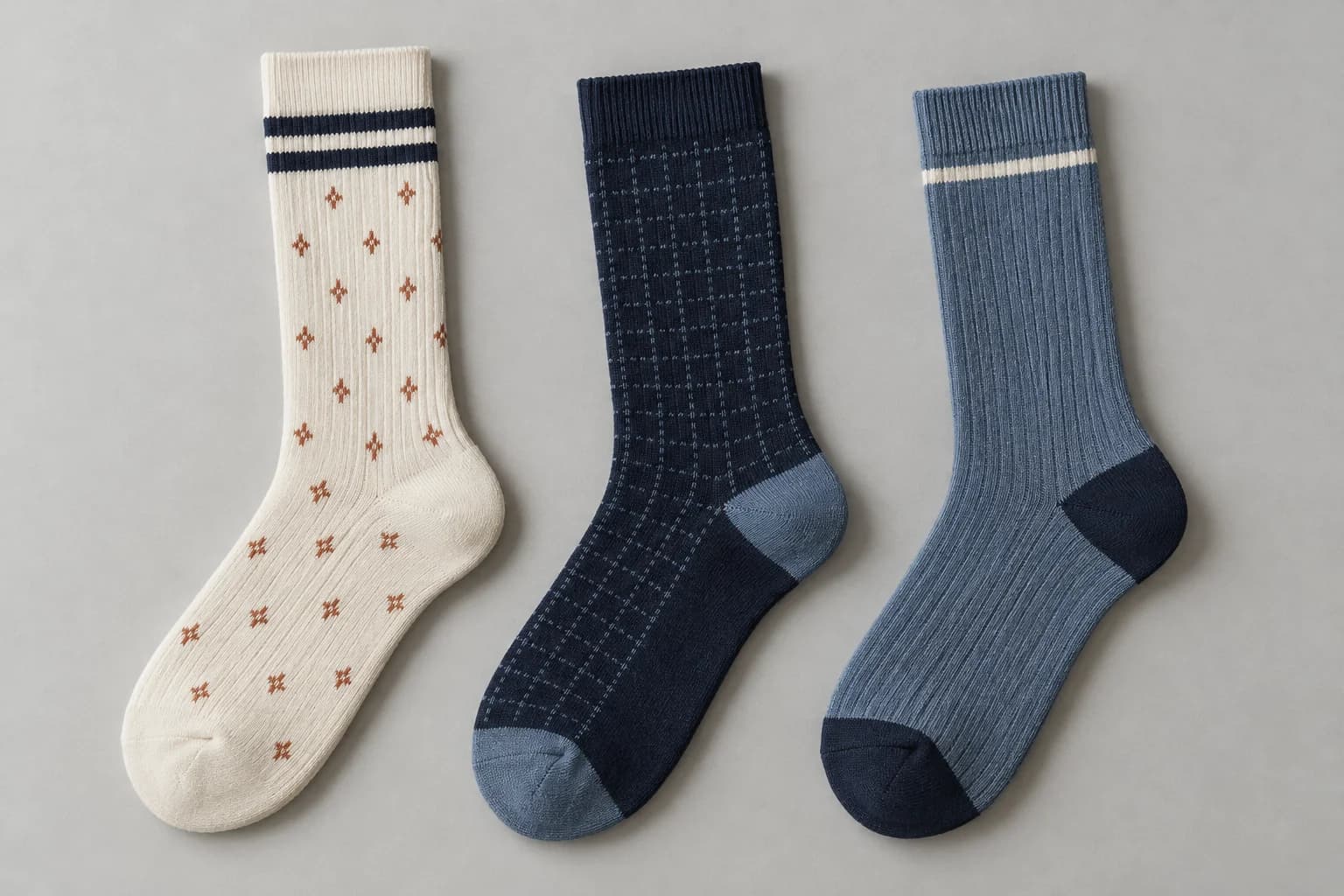
Yes, bring the requirements your team already uses. We can review construction, material, fit, artwork and packaging together, then agree which changes need a sample. An existing specification is a starting point for feasibility review, not a guarantee that every detail can be reproduced.
Does private label mean the design is exclusive to our brand?
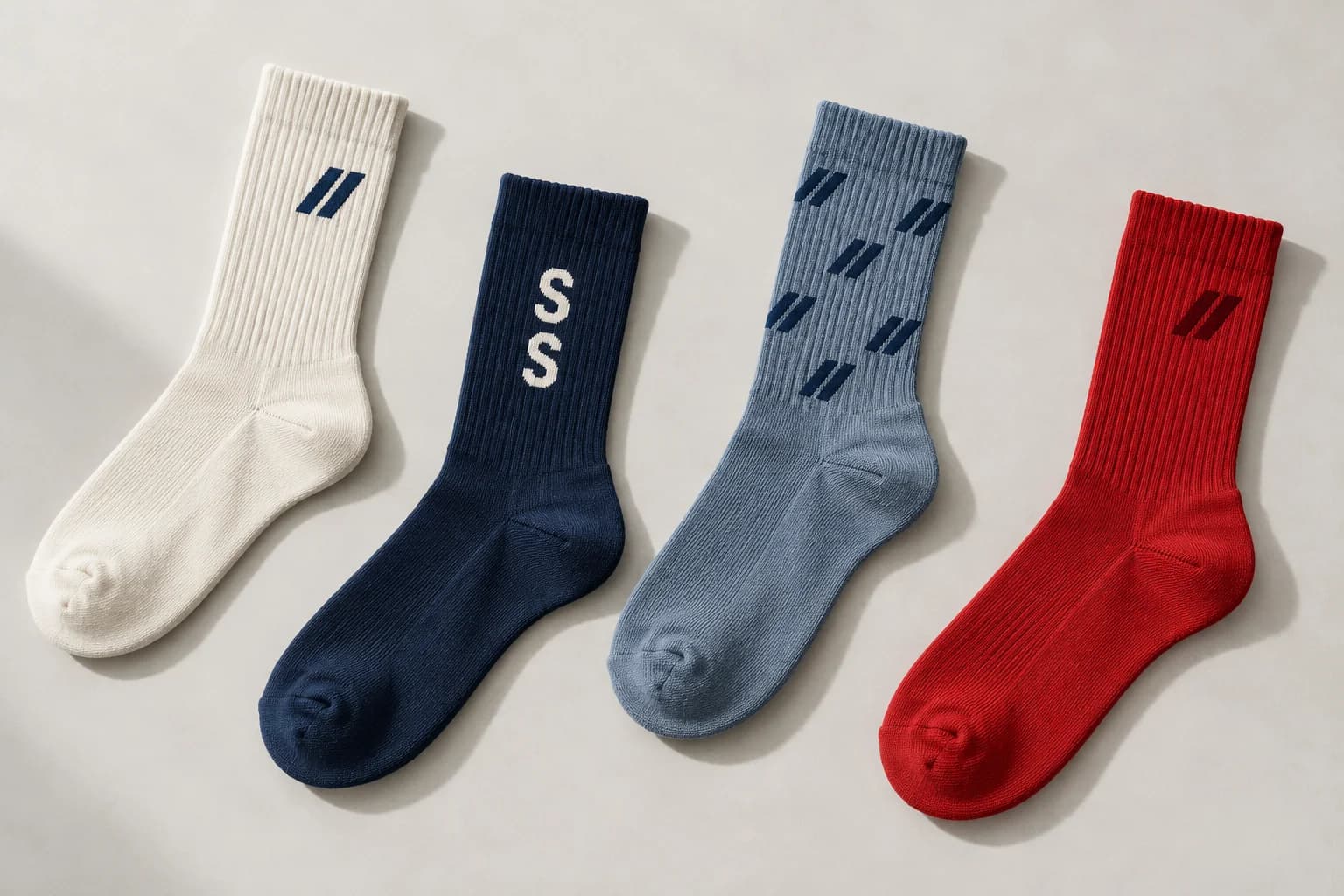
Branding a sock and reserving a design for one buyer are different requirements. If you need exclusive use, tell us which artwork or design elements matter. Any proposed use or exclusivity terms need a separate review before agreement. You can start with your idea and leave other product choices undecided.
Can a private label program start small?
You can ask about one focused product rather than a full assortment. Share the quantity you are considering, even if it is tentative; feasible quantities and MOQ depend on the specification and need review. Private label does not by itself imply a small minimum or ready stock.
What affects private label sock pricing?
Private label sock pricing depends on construction, material, logo detail, total pairs and the split by design, color and size, sample work, packaging, and delivery scope. Compare these assumptions together rather than the price per pair alone: bulk-packed socks and individually wrapped retail pairs are different quote scopes. Share what you know; SaySock can help clarify the open choices or review your team's existing specification. Finished artwork and a complete assortment plan are not required to inquire.
When should packaging be decided?
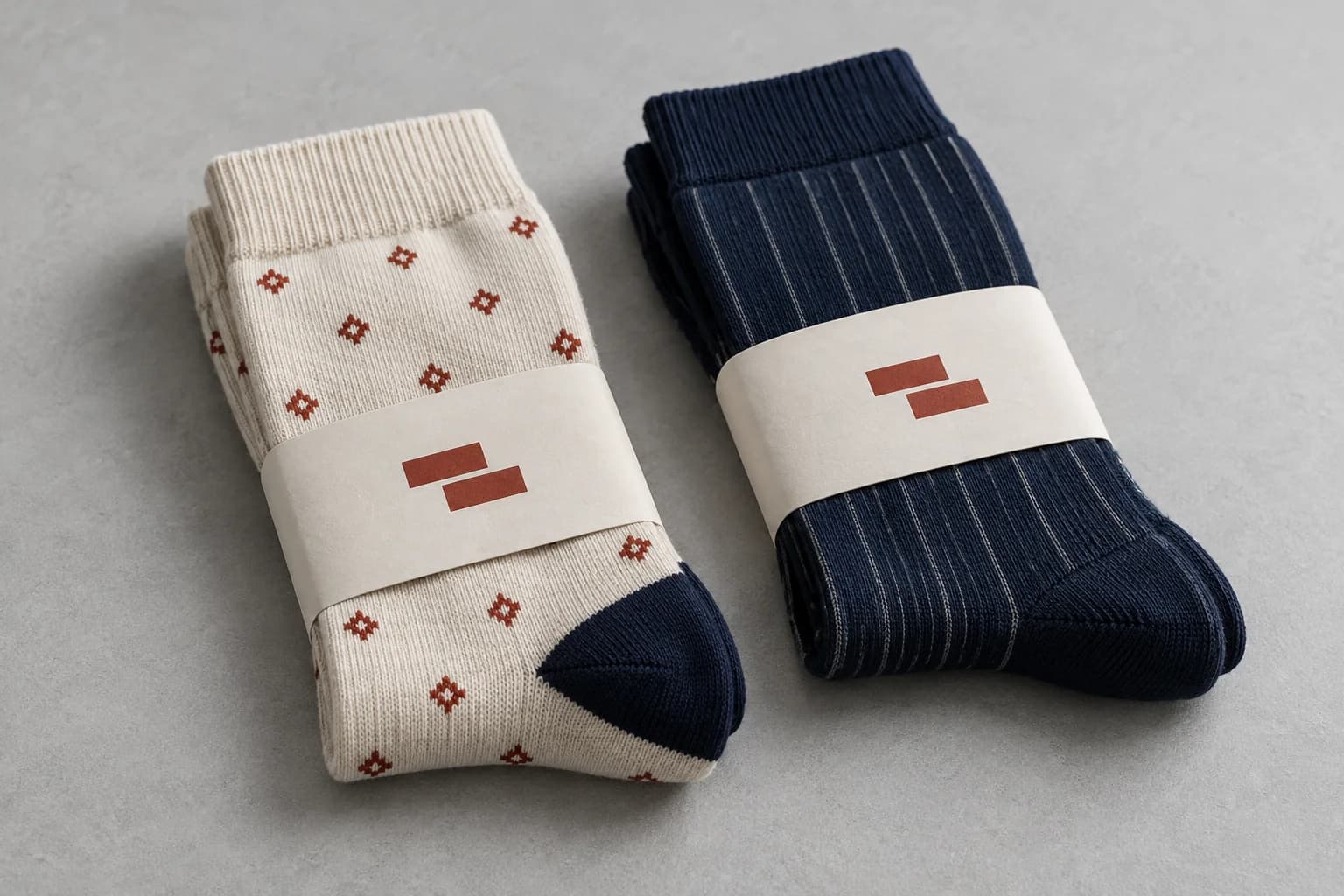
Raise any packaging questions in the first conversation, even if the format or artwork is undecided. We can agree what the sample should confirm and when label content, grouping and the approved version need to be settled. Finished packaging files are not required to inquire.
What should a private label socks RFQ include?
Share what you know about the sock, logo or label, quantity, packaging, destination and timing. These are useful starting details, not a complete checklist required to inquire. An idea is enough to start; established retailers can bring their existing specification and repeat-order requirements. SaySock confirms feasibility, MOQ, pricing, and schedule only after reviewing the specification.