SaysockKOREA
Factory-direct commercial sock programsImporters, distributors, and retail-ready programs
Korea-led production controlRequest quote

Packaging preparation

Lock the packaging decisions that usually slow a sock RFQ down.

Use this page to tighten packaging format, label content, carton expectations, and channel context before those decisions start leaking into sampling and shipment timing.

Primary useBuyer-side pack-out cleanup
Best fitRetail, gifting, and shelf-ready programs
Main inputsFormat, labels, cartons, destination
Pack-out prepDecide format, labels, and cartons before they start reopening approvals
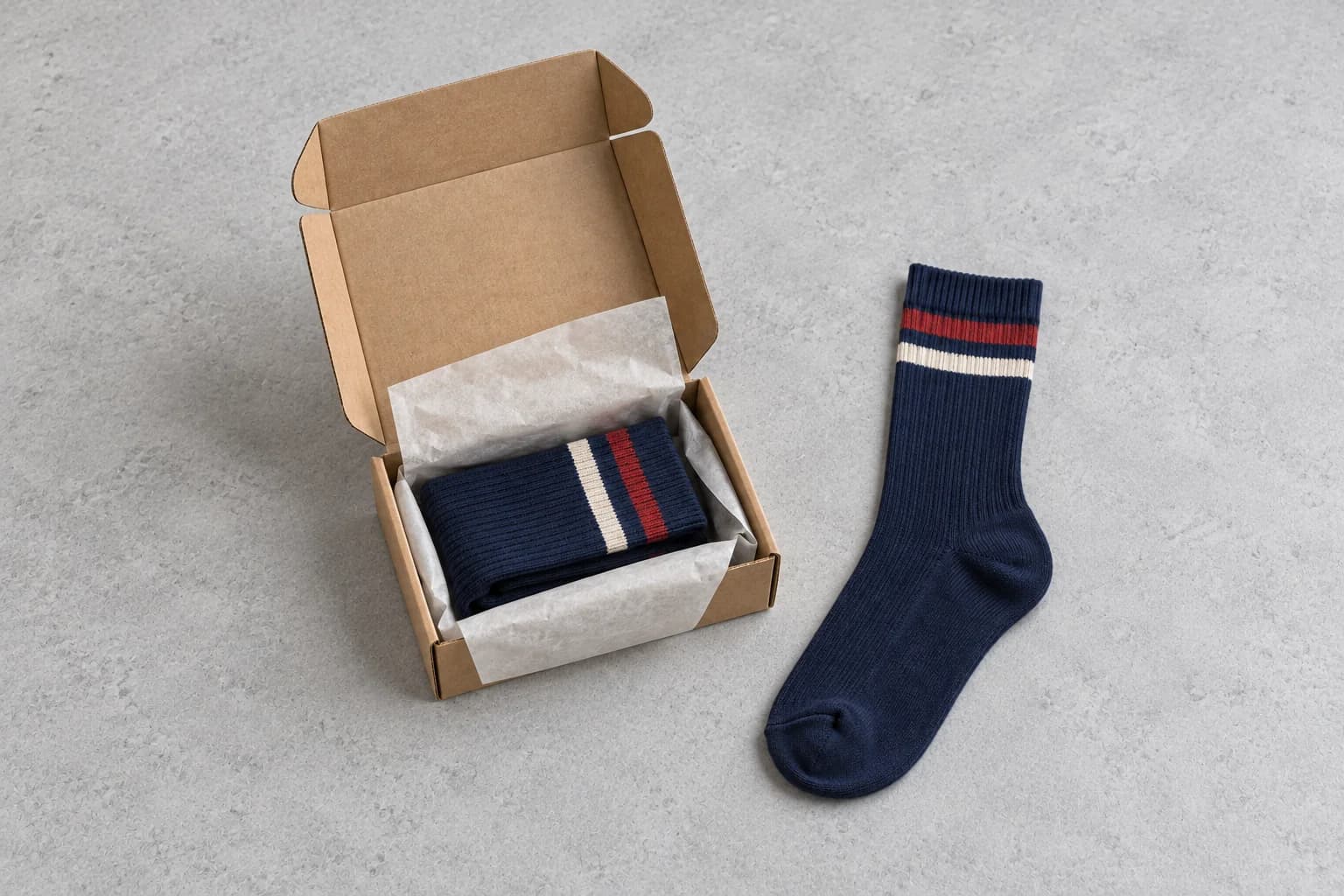
Structured sock packaging system board with boxes, wraps, and grouped pack-out formats
Better packaging prep reduces drift across sampling, labels, and cartons.
Clean packaging grid showing grouped retail-ready sock pack-out formats

Channel fit matters more than adding more packaging layers.

The cleanest packaging conversations happen before sample release, not after the product has already moved too far into the production path.

Treat pack-out like part of the commercial brief, not a late-stage add-on.

The buyer should already know how shelf-ready, gift-ready, or operationally simple the product needs to be before asking the factory to quote the full run.

  • State whether the sock is retail-facing, gifting-led, merch-first, or distributor bulk.
  • Choose the packaging layer early: wrap, sleeve, hang tag, carton, or mixed pack-out.
  • Call out any label content, insert, barcode, or retail-facing presentation requirements before sampling is treated as final.
  • Tie carton assumptions to destination and launch timing so shipment planning does not become a late-stage surprise.
  • Keep variation count realistic if each colorway or size changes the packaging path.

What this prep page fixes

A tighter packaging brief creates a cleaner first production answer.

What should already be clear before the first pack-out discussion

The buyer should already know the sales channel, packaging role, variation count, and whether the final product needs to look shelf-ready, gift-ready, or simply operationally clean.

What can still stay flexible

Fine copy, small graphic adjustments, and some insert details can tighten later as long as the packaging architecture and carton logic are already visible.

What creates late-stage packaging drag

Treating packaging like decoration, adding barcode or carton constraints after approval, or waiting too long to mention destination all force avoidable rework into the quote path.

Common misses

Most packaging friction comes from the same buyer-side gaps.

Waiting until after sampling to mention packaging

If wraps, sleeves, tags, or cartons appear after sample review, buyers usually reopen decisions they thought were already closed.

Overbuilding the pack-out for the actual channel

A gift-ready box is not always the right answer. Some runs need simpler labeling and cleaner bulk presentation rather than more packaging layers.

Missing label and carton context

Retail presentation, barcode needs, carton counts, and destination assumptions should not arrive after the first pricing conversation.

Related routes

Open the next route that still resolves a real packaging blocker.

Packaging systems

Review the main packaging capability page if the team still needs to compare sleeves, tags, wraps, and cartons before locking a prep path.

Review packaging systems

Shipment prep

Open shipment prep if packaging is mostly clear but timing, cartons, or destination assumptions still need cleanup before the RFQ.

Open shipment prep

Quote prep

Use quote prep if quantity, timing, market, and destination are still less clear than the packaging itself.

Open quote prep

Request quote

Move to the RFQ once the product, pack-out, and shipment assumptions can live inside one buyer-ready brief.

Open request quote

Ready to move from pack-out logic into RFQ?

Send the production quote request once format, labels, cartons, and destination are clear enough to scope.

Request production quote