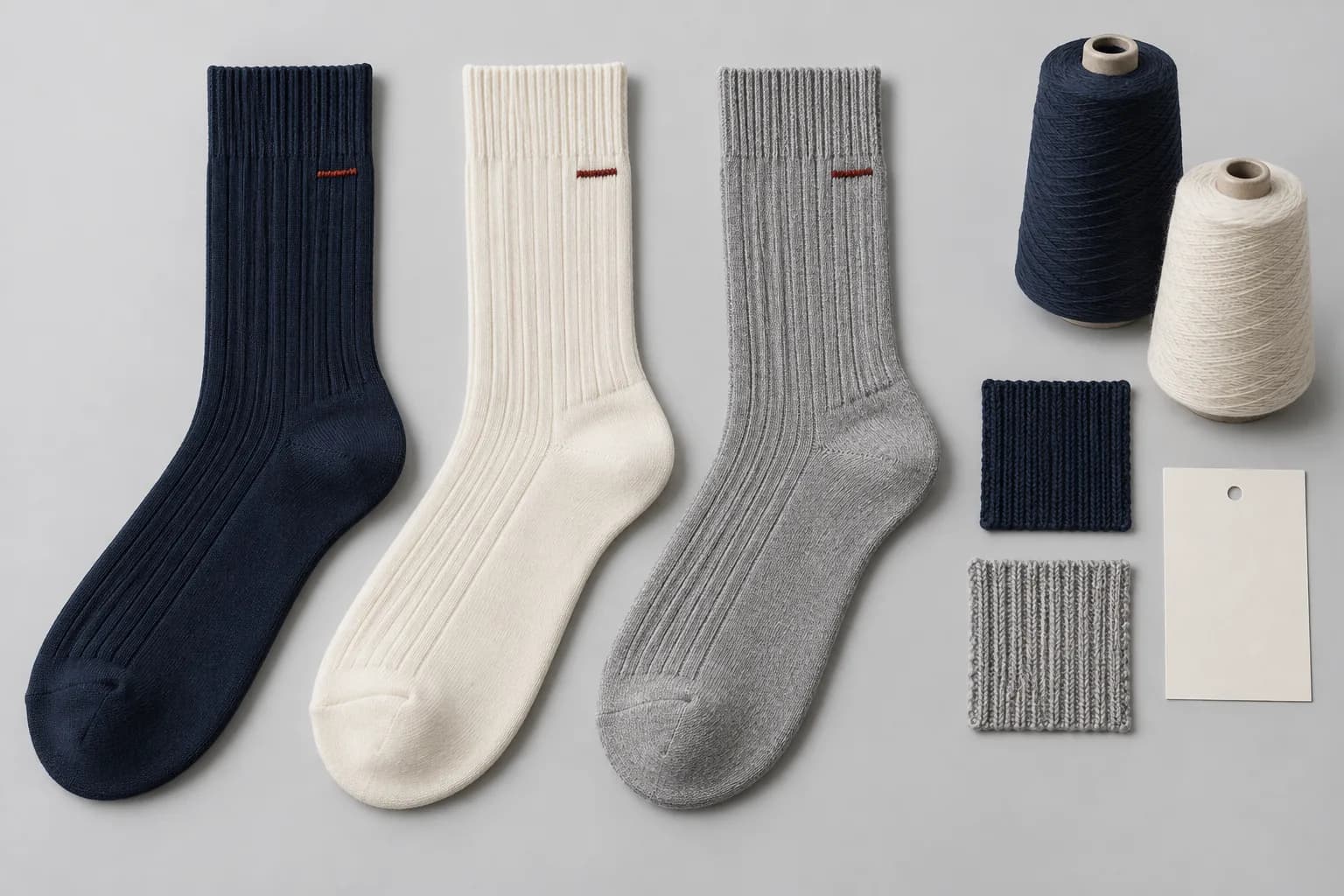
Find the approved reference before saying same as last time
A previous sales photo, an early mockup and a final approved sample may describe different versions. Identify which specification, artwork and packaging record actually belongs to the order you want to repeat. Keep the version or date with the reference where available.
Do not invent a missing approval. If all you have is a reference sample, an older file or a few confirmed details, say so. We can discuss what needs to be checked. A repeat with a new producer also needs a fresh feasibility review; another supplier's earlier approval is not proof that the same result can be reproduced.
Keep a short record of the changes
The blank register below separates the reference from the new request. It is a planning aid, not a customer case or a claim that any item has been approved. Use your existing change-control record if your team already has one.
Mark same, changed or unknown for each relevant item. Put the actual difference in words, such as a different size allocation or a new packaging version. A clear change list is more useful than a folder containing several files all called final.
| Review item | Previous reference | This order | What to review |
|---|---|---|---|
| Product construction | Not recorded | Same / changed / unknown | Sock height, knit construction, material direction and intended use. |
| Artwork and colors | Not recorded | Same / changed / unknown | Logo version, placement, scale and colorways. |
| Size allocation | Not recorded | Same / changed / unknown | Target wearer, size range and quantity by size. |
| Labels and packaging | Not recorded | Same / changed / unknown | Text, artwork, barcode needs, wrapping and carton grouping. |
| Order quantity | Not recorded | Same / changed / unknown | Total pairs and quantities per design, color and size. |
| Destination and timing | Not recorded | Same / changed / unknown | Receiving endpoint, requested arrival date and current shipment assumptions. |
Decide which changes need another review
A new logo, a different material direction or a change in sock construction may need different review from a quantity change. Packaging changes can create separate artwork or physical packaging questions. Identify the change first, then agree what proof or sample is appropriate for that change.
Do not assume that every change requires a new physical sample, or that an unchanged file lets you skip all review. The decision depends on the actual product, the available approved reference and the change being requested. Record acceptance for the specific check rather than treating it as approval of the whole order.
Refresh the order assumptions even when the design stays fixed
A replenishment order may use a different quantity or size mix from the launch order. Base that allocation on your current wearer or sales-channel information, not a universal size ratio. Confirm which variants remain in the range and whether packaging groups or carton counts need to change.
Recheck the destination, receiving endpoint and required date. A past quotation or arrival estimate should not be treated as a current price or delivery commitment. Ask which assumptions need updating before confirming this order.
Bring your existing specification and the questions still open
Experienced teams do not need to rebuild a first-order brief from scratch. Bring the reference you want to preserve and the changes you want reviewed. We can work alongside your team's product and customer knowledge to clarify production, sample and packaging questions.
If the previous records are incomplete, contact us with what you know. A completed checklist is not required to inquire. Direct Korean production is the first priority; alternatives are considered when direct production is not feasible or after agreement with you. Exact repeatability, pricing and timing need review for the current program.