SaysockRFQ
Korean custom socks manufacturingProduction-ready RFQ programs for importers, distributors, and retail-ready buyers
Buyer-ready production reviewRequest quote

Manufacturing capabilities

Sock manufacturer capability review for buyers comparing production, QC, packaging, and shipment control.

Use this page as a manufacturer evaluation guide and socks supplier audit checklist. Buyers comparing a custom socks manufacturer vs supplier can check whether product scope, sample path, QC checkpoints, pack-out, documentation, and export planning stay connected before they send a production review.

Primary useManufacturer evaluation
Operating threadSample -> QC -> pack -> ship
Production lensKorea-first direct production
Program capability viewProduct, QC, packaging, and shipment planning belong in one manufacturing surface
Materials review board with yarn cones, swatches, sock samples, and blank specification sheets
Materials, packaging, QC, and shipment logic should be visible in the first real review.
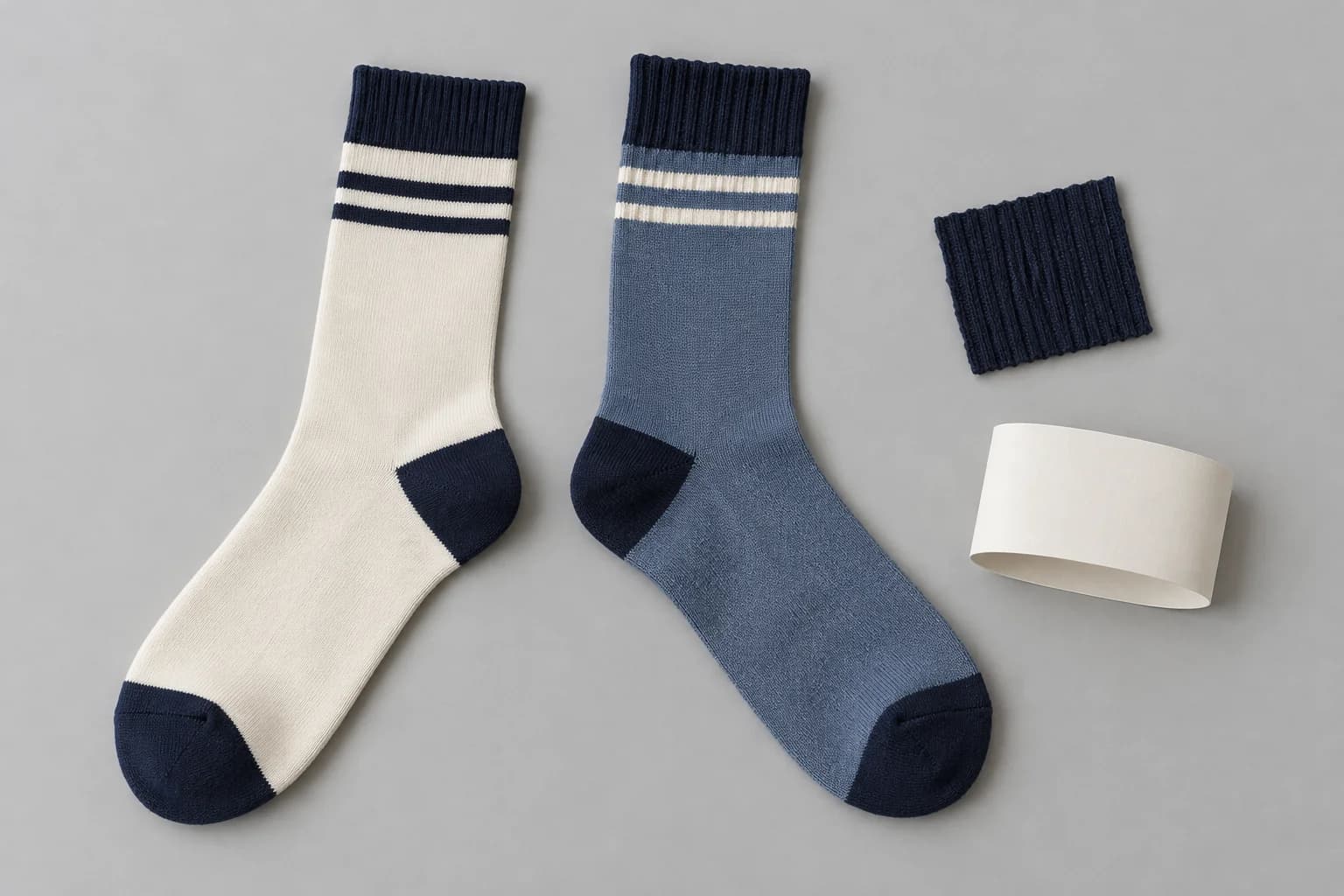
OEM review board with sock samples, yarn, specifications, and neutral packaging references

Commercial capability is easier to trust when product and material decisions stay in the same thread.

Use the manufacturing conversation to show how approvals, pack-out, and destination planning stay connected before bulk production moves.

Capability should prove how a custom sock program is controlled.

Use capabilities to connect product family, material direction, sample logic, QC, packaging, destination, and RFQ evidence before the first production reply.

  • State the custom sock product route and buyer channel before capability depth expands.
  • Tie material, pack-out, QC, and shipment assumptions to the same production review.
  • Request current workflow proof for the relevant program instead of broad factory theater.

Operating next step

Keep proof tied to the custom sock production review, not a generic trust claim.

Bring product route, quantity band, channel, packaging, destination, and proof requests into the capability review.

Start the capability review before the audit question becomes a generic contact note.

A capability-sourced RFQ can start when product type, quantity band, target market, destination, launch timing, and the main proof question are visible. Four typed fields plus selected basics are enough to start; sample, QC, packaging, documentation, and shipment questions can be tightened inside the first reply.

Product typeQuantity bandTarget marketDestinationTimingProof question

Commercial buyer readiness

Use capabilities to make the first RFQ more specific, not louder.

Larger, repeat, distributor, private label, promotional, and documentation-sensitive programs all need the same discipline: make the buyer-side assumptions visible before the first production reply.

For importers and distributors

Bring destination market, quantity band, carton expectations, repeat potential, and any documentation requests so the production path can be reviewed before pricing language gets too broad.

For private label and OEM teams

Keep artwork, material direction, label needs, packaging tier, sample stage, and buyer-file handling in one thread so the first review can separate what is ready from what still needs proof.

For promotional and gifting programs

Start with audience, in-hand timing, logo direction, packaging level, and delivery context so the run stays simple enough to move without overbuilding the product.

For larger repeat programs

Use the first review to separate scale, variation count, destination mix, packaging, and documentation risk without turning that review into a public scheduling or production promise.

Capability-to-RFQ conversion matrix

Turn capability questions into the inputs SaySock can review first.

Capability traffic should not stop at trust signals. If the product, quantity, packaging, destination, and timing are close enough to describe, the buyer can start a capability-sourced RFQ before every file is final.

Buyer questionReview basisRFQ inputsNext step
Can SaySock review this product route?Product family, use case, quantity band, material direction, size or fit constraints, and reference stage.Product type, target market, quantity band, material feel, use case, and any reference links or files.Start the RFQ once the route is close enough; final artwork can follow after the commercial frame is clear.
Can packaging and documentation stay in scope?Retail pack-out, sleeve, tag, carton, barcode, label, document requests, destination, and importer context.Packaging tier, label or carton notes, destination, documentation requests, and whether packaging needs sample review.Attach packaging pressure to source=capabilities instead of sending a separate generic contact note.
What must be checked before bulk?Sample approval owner, QC checkpoints, colorway or SKU count, launch timing, shipment method, and delivery assumptions.Approval owner, colorway count, QC concerns, launch timing, shipment assumptions, and any must-hold requirements.Ask for a capability review that connects sample, QC, pack-out, documentation, and shipment before the quote path hardens.

Manufacturer evaluation FAQ

Answer the audit questions before the RFQ turns into a price-only request.

Buyer-evaluation traffic should leave with the questions needed to judge a manufacturer, supplier, or reseller-style handoff before sampling, packaging, documentation, and shipment assumptions become expensive to correct.

What questions should buyers ask a sock manufacturer before ordering?

Ask who owns sample revisions, who signs off QC, who approves packaging, what document scope is realistic, how freight assumptions are carried into the quote, and which destination risks should be visible before sampling or bulk release.

How should a buyer compare a custom socks manufacturer vs supplier?

Compare whether the reply connects product scope, sample changes, QC checkpoints, packaging approval, documentation, and shipment assumptions in one production thread. A supplier-style handoff often stops at catalog availability or unit price before those operating questions are answered.

What belongs in a socks supplier audit checklist before RFQ?

A practical checklist should include product family, quantity band, material direction, colorway or SKU count, sample owner, QC checkpoint, packaging owner, document needs, destination, launch timing, and the proof requests that belong in the first review.

Capability lanes

Give each buyer decision a clear path instead of mixing everything into one page.

Product and material direction

A useful production review starts with the product family, quantity band, material direction, and how the sock is expected to reach the market.

Review materials

Quality and compliance discipline

Approvals, inspection, labeling, and documentation should read like an operating path instead of generic badge theater.

Review process and QC

Packaging and retail readiness

Pack-out, sleeves, tags, and cartons belong inside the same commercial conversation as the sock itself.

Review packaging

Shipping and export planning

Shipment timing, cartons, and destination assumptions should be visible before bulk release so the buyer can judge launch risk clearly.

Review shipping

Capability checklist

Use the first production review to scope the full commercial path.

Buyers move faster when the early review covers how the product is built, checked, packed, and shipped instead of forcing those decisions to surface in separate conversations after sampling starts.

  • Bring product type, quantity band, target market, packaging direction, destination, and launch timing; if those are known, start the capability RFQ instead of waiting for a full tech pack
  • State the end market, quantity range, and launch window in the first brief
  • Scope packaging, labeling, and shipment logic before sample approval is locked
  • Use materials, QC, and documentation questions as part of the same production review
  • Ask whether the first reply connects sample review, QC, packaging, documentation, and shipment instead of only forwarding a supplier price
  • Use a supplier audit checklist that names the sample owner, QC checkpoints, packaging owner, document path, and shipment assumptions
  • Ask the questions to ask a sock manufacturer before ordering: who owns sample changes, who signs off QC, who approves packaging, what documents are in scope, and how shipment assumptions are carried into the quote
  • Keep export and retail-readiness requirements visible instead of treating them as late-stage exceptions
Product and shipment fitThe capability story is stronger when product, pack-out, and destination assumptions stay aligned
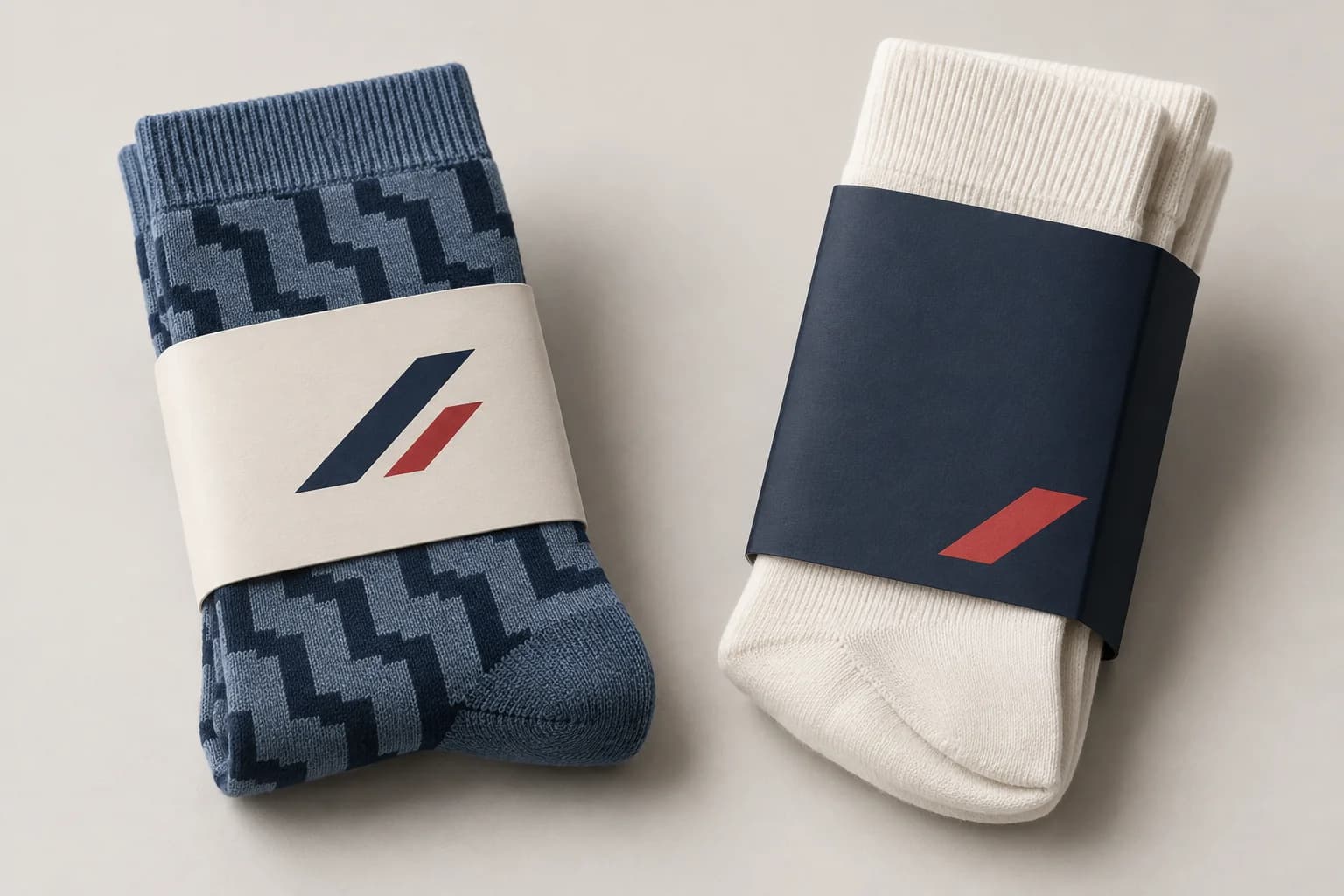
Packaging format grid connecting product scope to pack-out and destination decisions

Keep approvals, QC, and shipment timing visible inside the same operating path.

Working rules

Keep capability language operational and buyer-facing.

Scope the whole program, not just the sock

The stronger buyer conversation covers product, approvals, QC, packaging, and destination in one operating thread instead of treating each step as a separate vendor handoff.

Separate direct production path from reseller-style handoff

For custom socks manufacturer vs supplier comparisons, a useful capability review should show who coordinates sample changes, QC checkpoints, packaging decisions, document requests, and shipment assumptions before the quote becomes only a forwarded price. If those answers are missing, the buyer is judging a handoff, not a controlled production thread.

Use documentation where claims need proof

Capabilities, audits, and certifications only help when the buyer understands what can be confirmed per facility, per program, and at what stage of the quote path.

Keep the first reply commercially useful

A strong first response should answer procurement questions about sample logic, packaging fit, review checkpoints, documentation needs, and shipment timing in language the buyer can act on immediately.

Capability comparison map

Benchmark broad manufacturer surfaces without copying price-first positioning.

Buyers need enough product breadth to recognize their route, while the production thread is still judged by sample ownership, QC, packaging, documentation, and shipment control.

Catalog breadth is not enough

A broad style list helps only when each route also names the material, packaging, quantity, destination, and approval questions that belong in the RFQ.

Price/MOQ shortcut is not the first filter

For commercial buyers, the first filter should be whether the supplier can explain sample ownership, QC signoff, pack-out, documentation, and shipment assumptions before unit price becomes final.

Country-path review stays operational

Do not let a price-only China-direct comparison replace the Korea-first route-fit review; secondary Zhuji support should stay tied to scale, sourcing, product fit, QC, packaging, and destination logic.

Review the Korea-first manufacturer route

Proof requests

Ask for the proof that actually helps the first production decision.

The best proof is the proof that helps the buyer move forward on the specific program. Use the first review to request current workflow, QC, packaging, and documentation context instead of relying on broad marketing signals.

Current production workflow context for the relevant product family
QC checkpoint explanation tied to the sample and shipment path
Packaging and labeling examples matched to the target channel
Program-specific documentation path for compliance-sensitive buyers

Public-safe proof layer

Treat proof as a review packet, not a public trophy wall.

A serious commercial buyer does not need unsupported badges to judge fit. They need to know which current program facts can be reviewed, how those facts affect sampling and production, and which claims stay private until documentation or permission is classified.

Program-scope proof

Product type, channel, quantity band, destination, and launch window are visible enough to review the path.

SaySock can separate which inputs are quote-ready, which belong in sample review, and which need follow-up before bulk release.

This does not create a universal MOQ, price, capacity, or scheduling promise.

Sample and QC checkpoint proof

The buyer can name what the proof, development sample, or pre-production approval must confirm.

The first review can connect artwork, material behavior, fit, inspection points, and shipment-facing approval gates.

This is process evidence, not a certified outcome, defect-rate promise, or retailer approval claim.

Pack-out and documentation proof

Packaging tier, label needs, carton logic, importer documents, and destination requirements are raised early.

The production thread can identify whether packaging samples, redacted examples, or scoped document context are needed before the quote is finalized.

Certificate numbers, audit marks, issue dates, and facility scope stay private until current proof is classified for public use.

Confidential buyer-file handling

Artwork, references, packaging marks, and launch files need review without becoming public portfolio material.

The review can keep sensitive buyer files inside the RFQ and operator thread while still using the inputs to clarify the production path.

Named clients, logos, testimonials, live buyer labels, and project identifiers are not public proof unless written permission defines the exact use.
Production signals

Use capability proof to answer how the program will be controlled.

Strong capability pages do not just list what a factory can make. They show how network fit, sample continuity, pack-out, and buyer confidentiality are handled before the order carries real risk.

Manufacturer-vs-supplier fit

Confirm whether the program belongs on the direct Korean production path or needs secondary Zhuji production and inspection support before any public capacity language is used. The red flag is a reply that cannot explain who owns the sample, QC, pack-out, document, and shipment thread, or why the route is better than a generic supplier listing.

Sample-to-bulk continuity

The factory path should explain what changes between proof, development sample, pre-production approval, and bulk release so the buyer understands where risk is removed.

Pack-out and export readiness

Packaging, carton logic, labeling, destination assumptions, and document requests belong in the capability review because they affect timing, procurement confidence, and the next RFQ step.

Confidential buyer handling

Artwork, references, packaging examples, and customer-side launch files should stay inside a controlled production thread rather than becoming public-facing proof.

Need the capability view before quoting?

Send the market, quantity, packaging, and timing context in one production brief.

Request capability review